

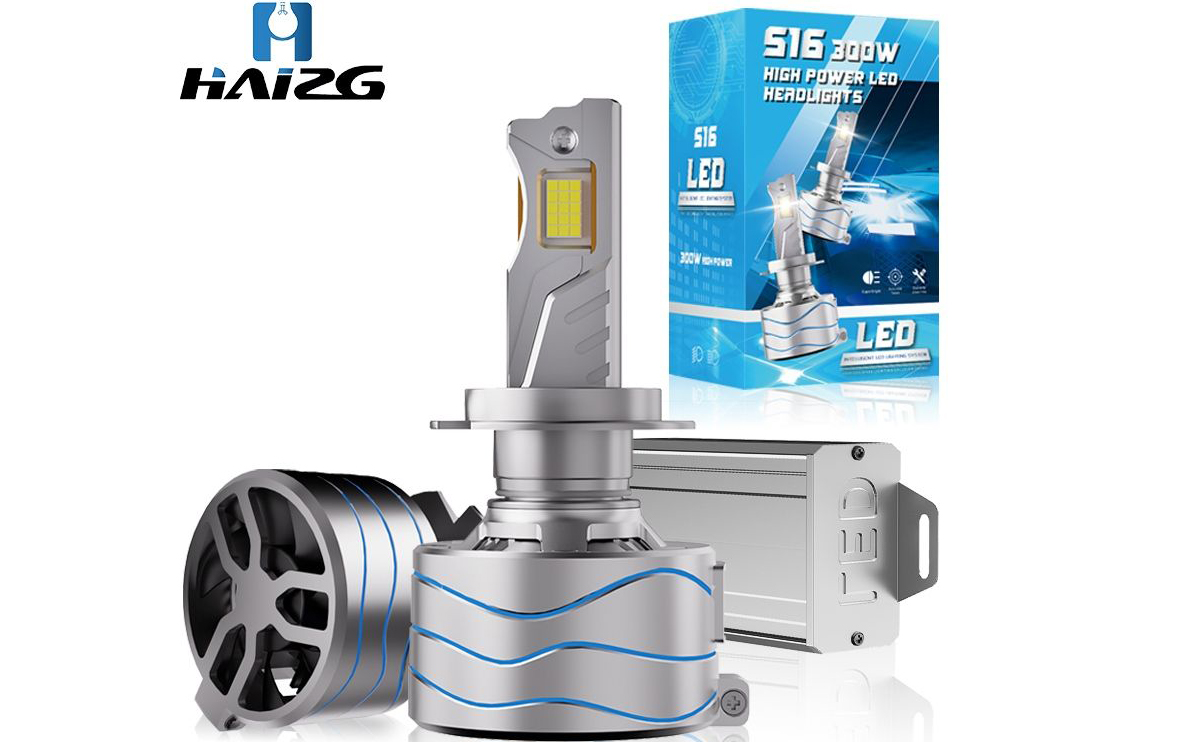
Upgrading vehicle lighting is a critical decision for both car enthusiasts and fleet managers. The D Series LED Headlights have gained significant attention for their advanced illumination, energy efficiency, and long lifespan. However, before making the switch, there are several factors that must be carefully considered to ensure the upgrade delivers maximum performance and safety. HAIZG provides industry-leading D Series LED Headlights designed for both reliability and convenience, but understanding the key selection criteria is essential.
1. Brightness and Visibility
The primary purpose of upgrading headlights is to improve visibility. D Series LED Headlights typically offer brighter and more uniform illumination compared to halogen or HID lights. They provide better road coverage, reducing blind spots and enhancing safety during nighttime driving.
When assessing brightness, consider:
-
Lumens output – higher lumens provide brighter light but may consume more energy.
-
Beam pattern – even distribution is crucial to avoid glare for other drivers.
-
Color temperature – 5000K–6000K range is ideal for natural daylight visibility.

2. Energy Efficiency
Energy consumption is a significant factor, especially for vehicles with multiple electrical components. D Series LED Headlights are known for their low power draw while maintaining high brightness. Upgrading to HAIZG LED headlights can:
-
Reduce alternator load
-
Extend battery life
-
Lower overall energy costs
| Headlight Type | Power Consumption | Typical Lifespan | Energy Efficiency |
|---|---|---|---|
| Halogen | 55–65W | 500–1,000 hrs | Low |
| HID | 35–50W | 2,000–3,000 hrs | Medium |
| D Series LED | 20–30W | 30,000+ hrs | High |

3. Durability and Lifespan
LED technology is designed to last longer than traditional halogen or HID bulbs. The D Series LED Headlights from HAIZG are built with high-quality materials that resist corrosion, vibration, and temperature fluctuations. Consider these aspects:
-
Housing material – ensures resistance to harsh weather conditions
-
Lens quality – prevents yellowing or clouding over time
-
Heat dissipation – maintains consistent performance and prevents overheating
| Feature | D Series LED Advantage |
|---|---|
| Impact Resistance | High – can withstand minor collisions |
| Water Resistance | IP67 – suitable for all weather |
| Thermal Management | Integrated heat sinks prevent damage |
4. Compatibility with Your Vehicle
Not all LED headlights are compatible with every car model. Before upgrading:
-
Check the headlight socket and mounting dimensions
-
Verify voltage and electrical system compatibility
-
Consider whether additional drivers or resistors are needed to prevent flickering
HAIZG offers D Series LED Headlights with universal fittings for many popular car models, along with professional guidance for installation.
5. Installation and Maintenance
Ease of installation is another critical factor. D Series LED Headlights are generally plug-and-play, but some models may require professional installation:
-
Plug-and-play models – quick installation without modifying the vehicle
-
Professional installation – ensures optimal beam alignment and safety compliance
Maintenance is minimal compared to halogen lights, but periodic cleaning of the lens and inspection of electrical connections are recommended for long-term performance.
6. Safety and Compliance
LED headlights must comply with local safety regulations to ensure legal operation on public roads. When upgrading:
-
Verify DOT or ECE certification
-
Ensure the beam pattern meets road safety standards
-
Avoid overly bright lights that can cause glare for oncoming traffic
Conclusion:
Upgrading to HAIZG D Series LED Headlights is a smart choice for drivers seeking better visibility, energy efficiency, and long-term reliability. Before making the switch, carefully consider factors such as brightness, compatibility, durability, installation, safety, and long-term value. By evaluating these criteria, drivers and fleet managers can ensure that their investment delivers maximum performance, safety, and satisfaction for years to come.
